“Should we use a cheaper model” is the wrong question to ask
• 4 minute read
By Dr Amr Ellabban, Head of AI at Hg
"Should we switch to a cheaper model?"
Over the past few months this has become one of the most common questions I hear from software companies. No wonder. Agentic workloads have turned model spend into a rapidly expanding line item: agents run around the clock, chain dozens of model calls into a single task, and generate bills faster than anyone expects. In one widely reported case, a company ran up half a billion dollars of Claude usage in a single month, having left usage limits off its licences.
But I still think this is the wrong question - or at least, the wrong way in. Whether a model is open or closed, premium or commodity, isn't the axis that matters. The question you should be asking is which model clears your quality bar for a specific workflow, at the least cost, latency, and human attention?
Six weeks that priced the curve
Four launches in the past six weeks have made that trade-off unusually explicit.
In early June, Microsoft announced seven in-house MAI models, led by a deliberately mid-sized flagship. Microsoft says blind reviewers preferred it to Claude Sonnet 4.6, and that a version tuned for Excel matches GPT-5.4 while being up to 10x more efficient. A week later, Anthropic shipped Claude Fable 5, the first publicly available Mythos-class model: state-of-the-art on nearly every benchmark it reports, priced at double Opus.
In July, OpenAI answered with GPT-5.6 - not one model but a ladder. Sol is the frontier flagship, landing a single point behind Fable 5 on Artificial Analysis's Intelligence Index at roughly a third of the cost per task. Terra and Luna sit below it as the everyday workhorses, at a fraction of Sol's price.
Then, this week, Thinking Machines shipped Inkling, their long-awaited first model. Inkling is open weights, with a dial for how much reasoning to spend on each task. They're upfront that it isn't the strongest model available - but on SWE-bench it roughly matches what Claude Sonnet 4.5 scored ten months ago, when it topped the charts.
One end of the market is pricing peak capability. The other is pricing last autumn's frontier as a commodity. And in between, every vendor is now selling you a point on the price/performance curve. Microsoft's reported move to replace OpenAI and Anthropic with its own, cheaper models in Excel and Outlook shows what the biggest player in software thinks the game now is.
Where each of your workflows sit on that curve is a margin question, not an architecture one.
The harness decides, not the model
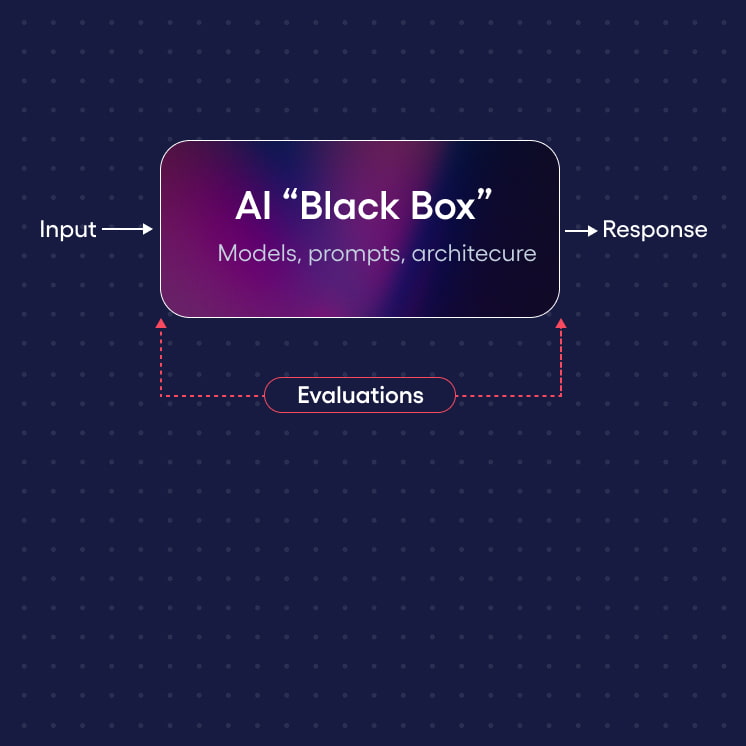
In fact, none of this is really a story about models. The harness is where the work happens.
A harness is what turns a raw model into a system that can actually do work in production. It handles the choreography across multiple model calls, decides which tools to invoke and when, manages context across long-running tasks, and enforces the rules of the road. It’s what really drives accuracy in practice and increasingly, it's where cost is won or lost.
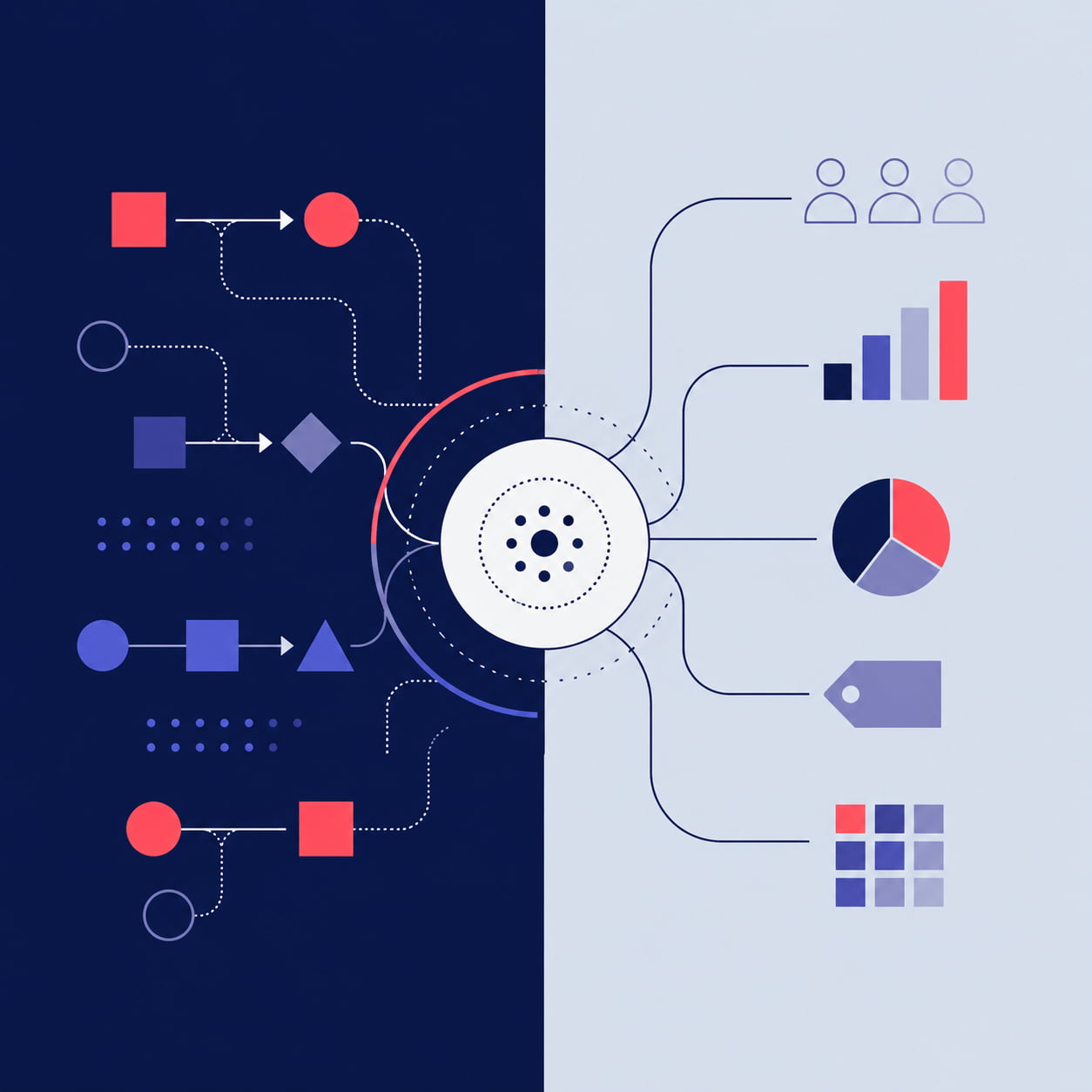
A well-designed harness routes each step of a task to the model best suited to it: frontier reasoning for the hard-edge decisions, cheaper and faster models for the long tail. This isn’t a menu you choose from once. It's the range your harness should be routing across continuously.
It’s not just about managing cost either. The harness is also where your vertical context lives: the workflows, data, rules and edge cases that make a generic model genuinely useful inside a specific industry. We saw this clearly at our first hg catalyst hackathon this spring. 200 engineers from 40 portfolio companies took part and every team converged on broadly the same multi-agent patterns. The scaffolding is standardising. The edge comes from the domain knowledge, proprietary data and customer closeness that each company alone holds.
In other words, you don't win by owning the model. You win by owning everything around it.
How we build: frontier first, then ramp down
This approach is at the heart of how we think about AI automation. Whether we’re building agentic products embedded inside portfolio companies through Hg Catalyst, or automating workflows internally with Hg, the principles are very similar.
Start at the frontier. Prove the value with the most capable model available, whatever it costs, because if the frontier can't clear the quality bar, nothing cheaper will - and because the frontier teaches you what good looks like.
Evals from day one. I've written before about why domain-specific evals are the compounding asset in AI products, and why eval scores deserve board-level attention alongside NRR. They earn their keep here too: an eval suite is what turns "could we use a cheaper model?" from a gamble into a measurement.
Then ramp down. With evals in place, you can swap in the cheapest, fastest model that still clears the bar - per workflow, and increasingly per step within a workflow - and know the moment one stops clearing it. Thinking Machines points to a collaboration with Bridgewater in which an open model fine-tuned on financial data beat proprietary rivals on financial-reasoning tests at roughly a fourteenth of the running cost. That's the ramp-down done well. The same bar at a fraction of the price.
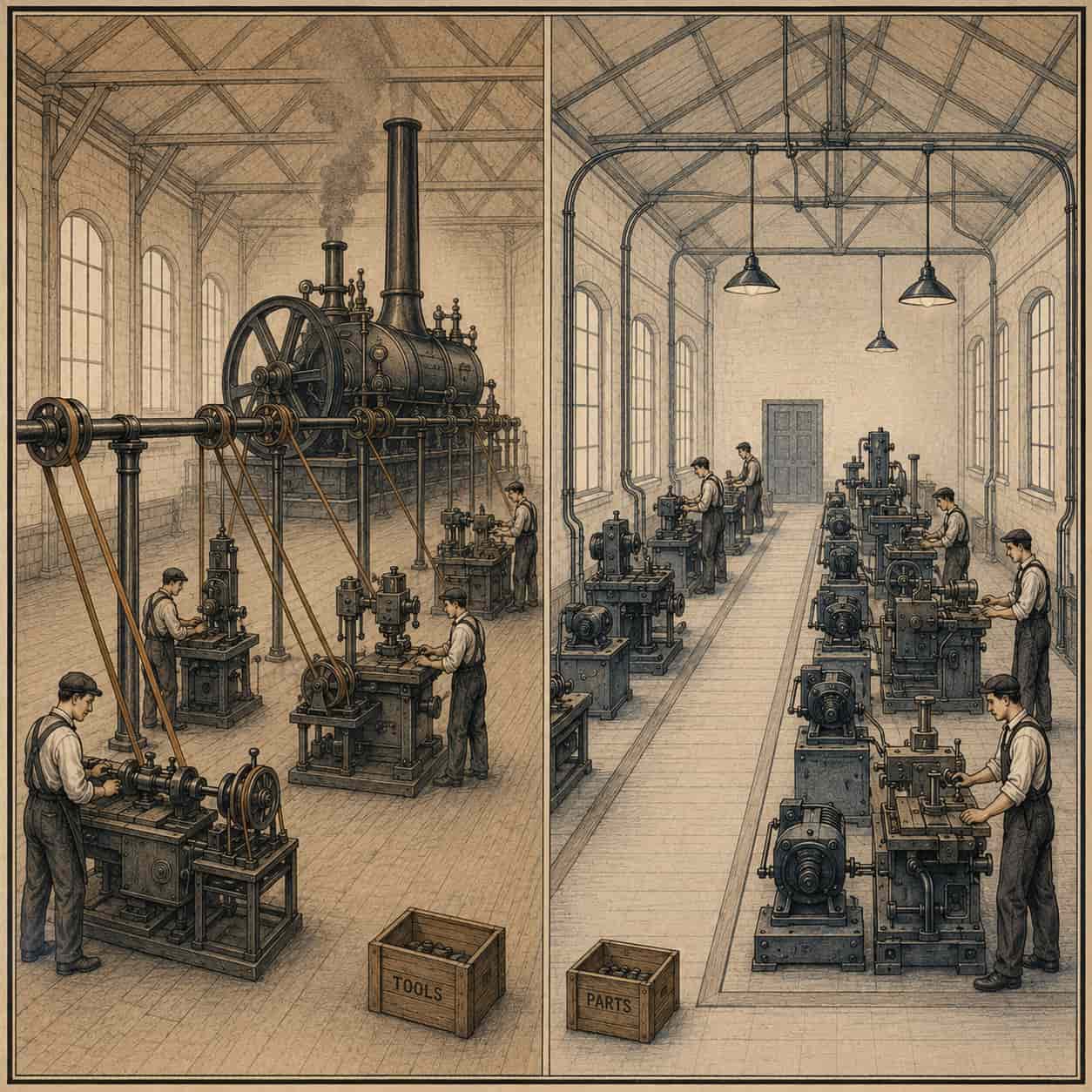
...and keep rebuilding! A harness is something you continuously rebuild, not configure once. Every model release shifts what scaffolding you actually need. Harness engineering is now a muscle that any business building agentic workflows needs to develop.
The frontier proves the value. The evals prove it's still there as the cost comes out. Skip that second step and a cheaper model isn't a saving - it's a quality cut your customers find before you do.
The metric that belongs in the boardroom
Models will keep improving quickly, but for most use cases the technology is already good enough. The work that matters now sits one layer up - in the harness, the evals, and the operational and product depth that lives inside each vertical.
When the AI cost conversation reaches your board, the question worth asking isn't "which model are we on?" or "should we move to open source?" It's "do we know our cost per completed task, at our quality bar - and is it falling?"
Companies that can answer are building their margin. Companies that can't are renting it from their model provider.
Related Articles
Insight
AI transformation's second act: 5 capabilities to lead the platform shift in 2026
Read article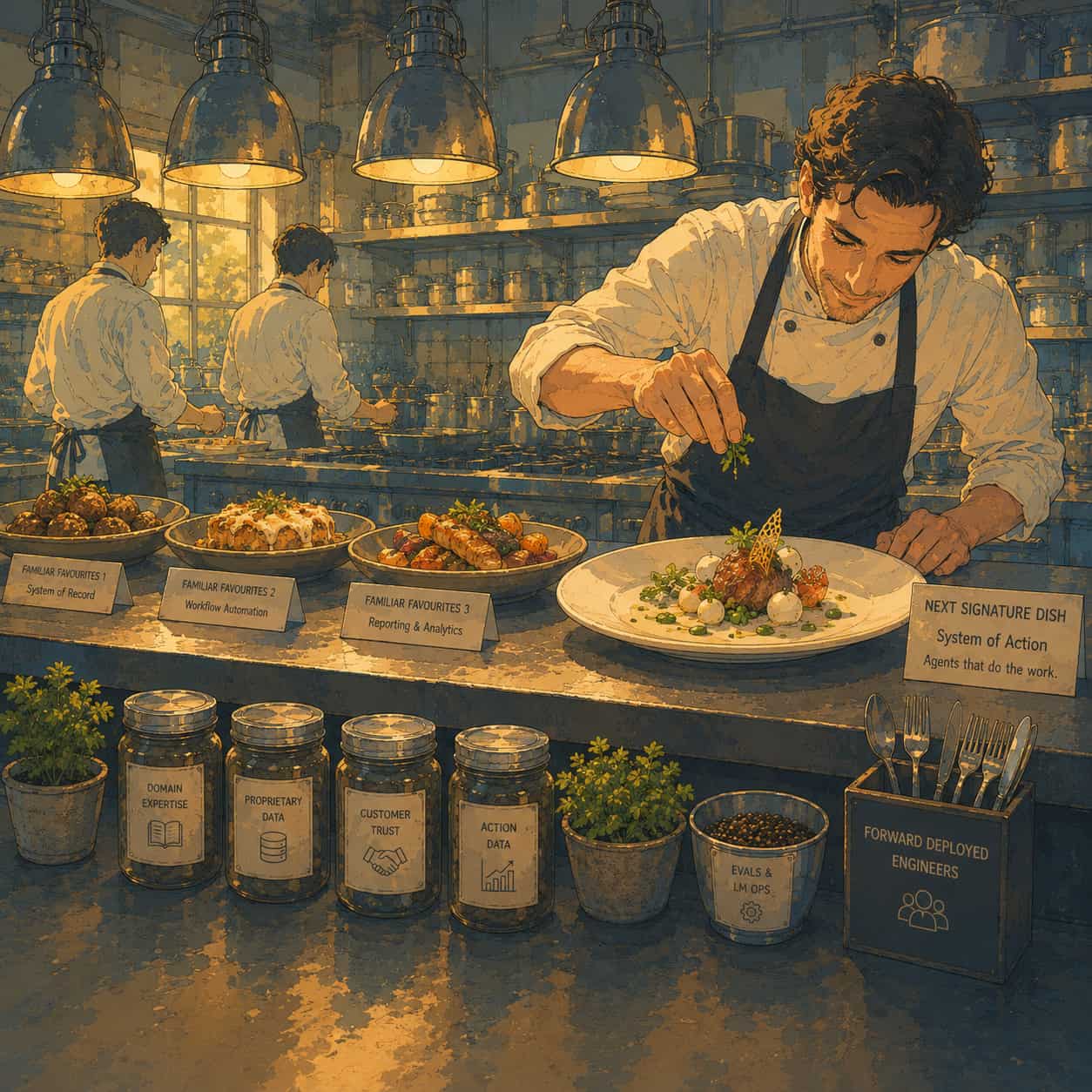
Insight